Gut-Brain Connection in Kids
The Gut-Brain Connection in Kids: How Nutrition, the Microbiome, and the Nervous System Shape Brain Development
The Gut and Brain Are Constantly Talking
When most parents think about supporting their child's brain development, they picture learning activities, speech therapy, exercise, or quality sleep.
Few realize that one of the biggest influences on brain development is happening inside the digestive tract.
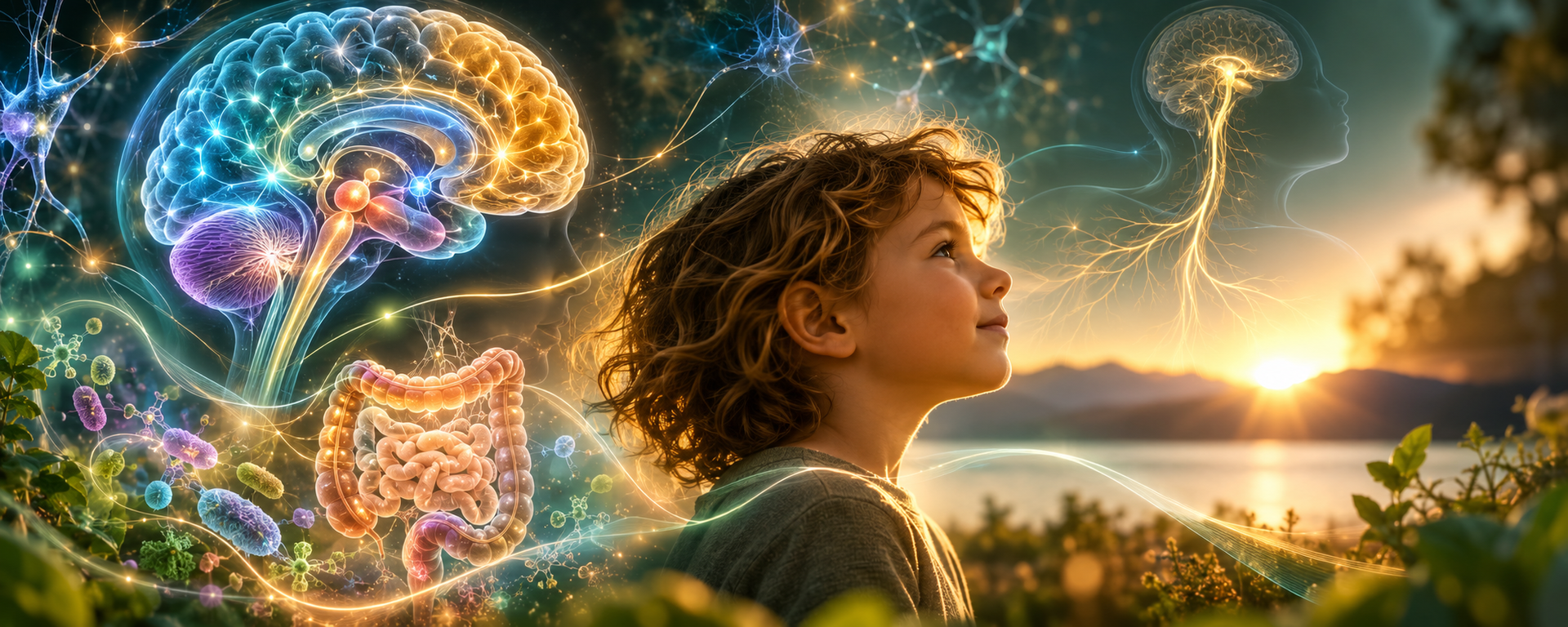
The gut and brain communicate continuously through what scientists call the gut-brain axis—a sophisticated network connecting the nervous system, immune system, endocrine system, and trillions of microorganisms living in the intestines.
When this communication system is functioning well, children are more likely to experience:
- Better attention
- Improved emotional regulation
- Healthy digestion
- Stronger immune function
- More balanced behavior
- Better sleep
- Improved motor development
- Greater resilience to stress
When this communication network becomes disrupted, however, the effects can be felt throughout the entire body—not just the gut.
The Gut Is More Than a Digestive Organ
Many researchers now refer to the gut as the body's "second brain."
The digestive tract contains over 500 million neurons that communicate directly with the brain through the vagus nerve and autonomic nervous system.
Even more remarkable is that approximately:
- 90–95% of serotonin
- Around 50% of dopamine precursors
- Significant amounts of GABA and other neuroactive compounds are produced or heavily influenced by gut bacteria.
This doesn't mean your intestines "make emotions," but it does mean that a healthy microbiome plays an important role in producing the building blocks needed for healthy brain chemistry.
Your Child's Gut Microbiome Helps Build the Brain
The gut microbiome consists of trillions of bacteria, fungi, viruses, and other microorganisms that live primarily in the large intestine.
These microbes help:
- Train the immune system
- Produce vitamins
- Create short-chain fatty acids
- Reduce inflammation
- Protect the intestinal lining
- Influence neurotransmitter production
- Support healthy brain development
Early childhood is one of the most important periods for microbiome development.
Factors that may influence the microbiome include:
- Birth method
- Breastfeeding
- Antibiotic exposure
- Diet
- Stress
- Environmental toxins
- Sleep
- Physical activity
Research has consistently found differences in gut microbial composition in some children with neurodevelopmental conditions, including autism. However, scientists are still determining whether these differences are a cause, a consequence, or both. The microbiome is an exciting area of research, but it is not yet possible to attribute neurodevelopmental disorders to microbiome changes alone.
The Gut Barrier: Your Child's First Line of Defense
The intestinal lining acts as a highly selective filter.
Healthy intestinal cells allow nutrients to enter the bloodstream while preventing harmful substances from crossing into circulation.
When this barrier becomes damaged, intestinal permeability ("leaky gut") may increase.
Potential triggers include:
- Chronic inflammation
- Highly processed diets
- Frequent antibiotics
- Persistent stress
- Certain infections
- Some medications
- Individual food sensitivities
Increased intestinal permeability has been associated with several autoimmune and inflammatory conditions. Researchers are also investigating its role in subsets of individuals with autism and other neurodevelopmental disorders, though this relationship remains an area of active study rather than established causation.
The Blood-Brain Barrier: Protecting the Developing Brain
Just as the gut has a protective barrier, the brain has one too.
The blood-brain barrier (BBB) protects the brain from toxins, inflammatory molecules, and pathogens circulating in the bloodstream.
When systemic inflammation increases, signaling molecules released by the immune system may influence blood-brain barrier function in susceptible individuals.
Scientists are studying whether altered BBB integrity contributes to certain neurological conditions, but this is a complex process with many contributing factors. When inflammation affects the developing brain, areas involved in movement, behavior, and cognition may be influenced.
Why Inflammation Matters
One of the biggest ways the gut influences the brain is through the immune system.
Approximately 70% of immune cells reside in gut-associated lymphoid tissue.
When the immune system becomes chronically activated, inflammatory signaling molecules called cytokines increase.
Excessive or prolonged inflammation has been linked to changes in:
- Synaptic development
- Neuroplasticity
- Mitochondrial function
- Brain energy production
- Myelination
- Neurotransmitter balance
Healthy immune regulation—not complete elimination of inflammation—is essential because inflammation also plays an important role in normal healing and defense.
Key Brain Regions Influenced by Gut-Brain Communication:
Frontal Cortex
The frontal cortex is responsible for:
- Executive function
- Decision-making
- Emotional regulation
- Attention
- Impulse control
- Planning
- Social behavior
Inflammation, sleep disruption, poor nutrition, and chronic stress can all influence how efficiently these networks function.
Children struggling with attention, emotional regulation, or executive function may benefit from a comprehensive evaluation that considers multiple factors—including sleep, nutrition, movement, sensory processing, and nervous system regulation.
Cerebellum
The cerebellum does much more than coordinate movement.
It also helps regulate:
- Balance
- Coordination
- Eye movements
- Timing
- Motor learning
- Language
- Emotional regulation
- Cognitive processing
Neuroimaging studies have found cerebellar differences in some individuals with autism, although these findings vary and do not apply to every child. Because the cerebellum is highly responsive to movement-based learning, therapies that incorporate balance, coordination, eye movement training, and physical activity may support cerebellar function.
Basal Ganglia
The basal ganglia help regulate:
- Movement initiation
- Motor control
- Habit formation
- Motivation
- Reward processing
- Behavioral flexibility
Altered basal ganglia function has been implicated in conditions such as ADHD, obsessive-compulsive disorder, movement disorders, and some forms of autism. Supporting overall brain health through sleep, nutrition, physical activity, and appropriate therapies may help optimize these networks.
What About Gluten and Dairy?
This is one of the most common questions parents ask.
The answer is nuanced.
Gluten
Current evidence does not support gluten as a universal cause of autism or neurodevelopmental disorders.
However, some children may have:
- Celiac disease
- Non-celiac gluten sensitivity
- Wheat allergy
- Individual immune reactions
For these children, gluten exposure may contribute to gastrointestinal symptoms, inflammation, or behavioral changes.
Some studies have reported improvements in gastrointestinal symptoms—and in a subset of children, behavior—after a carefully supervised gluten-free diet, while other studies have found little or no benefit. Overall, the evidence is mixed, and gluten-free diets should not be recommended universally for all autistic children.
Dairy
Similarly, dairy is not harmful for every child.
However, some children may have:
- Cow's milk protein allergy
- Dairy intolerance
- Lactose intolerance
- Individual sensitivity to dairy proteins
In susceptible children, dairy may contribute to gastrointestinal discomfort or inflammation. Some families also report behavioral improvements after dairy elimination, but research findings remain inconsistent.
Because dairy is a major source of calcium, vitamin D, and protein for many children, elimination diets should ideally be supervised by a qualified healthcare professional to ensure nutritional adequacy.
Food Is Information
Food does much more than provide calories.
Every meal sends biochemical signals that influence:
- Immune function
- Hormone production
- Brain energy
- Mitochondrial health
- Microbiome diversity
- Inflammation
- Neurotransmitter synthesis
Nutrient-dense whole foods support these systems, while diets high in ultra-processed foods, added sugars, and low fiber may negatively influence gut microbial diversity and metabolic health.
Nutrients That Support Gut and Brain Health
A research-supported nutrition plan often emphasizes:
✅ Colorful fruits and vegetables
✅ Healthy fats (especially omega-3 fatty acids)
✅ High-quality protein
✅ Fermented foods (when tolerated)
✅ Fiber-rich foods
✅ Zinc
✅ Magnesium
✅ Iron (when deficient)
✅ Vitamin D (if needed)
✅ Choline
✅ B vitamins
Any supplementation should be individualized based on a child's diet, medical history, and healthcare provider recommendations.
Movement Builds the Brain
Healthy brain development isn't only about food.
Movement stimulates:
- Cerebellar development
- Vestibular pathways
- Vision
- Proprioception
- Motor planning
- Neuroplasticity
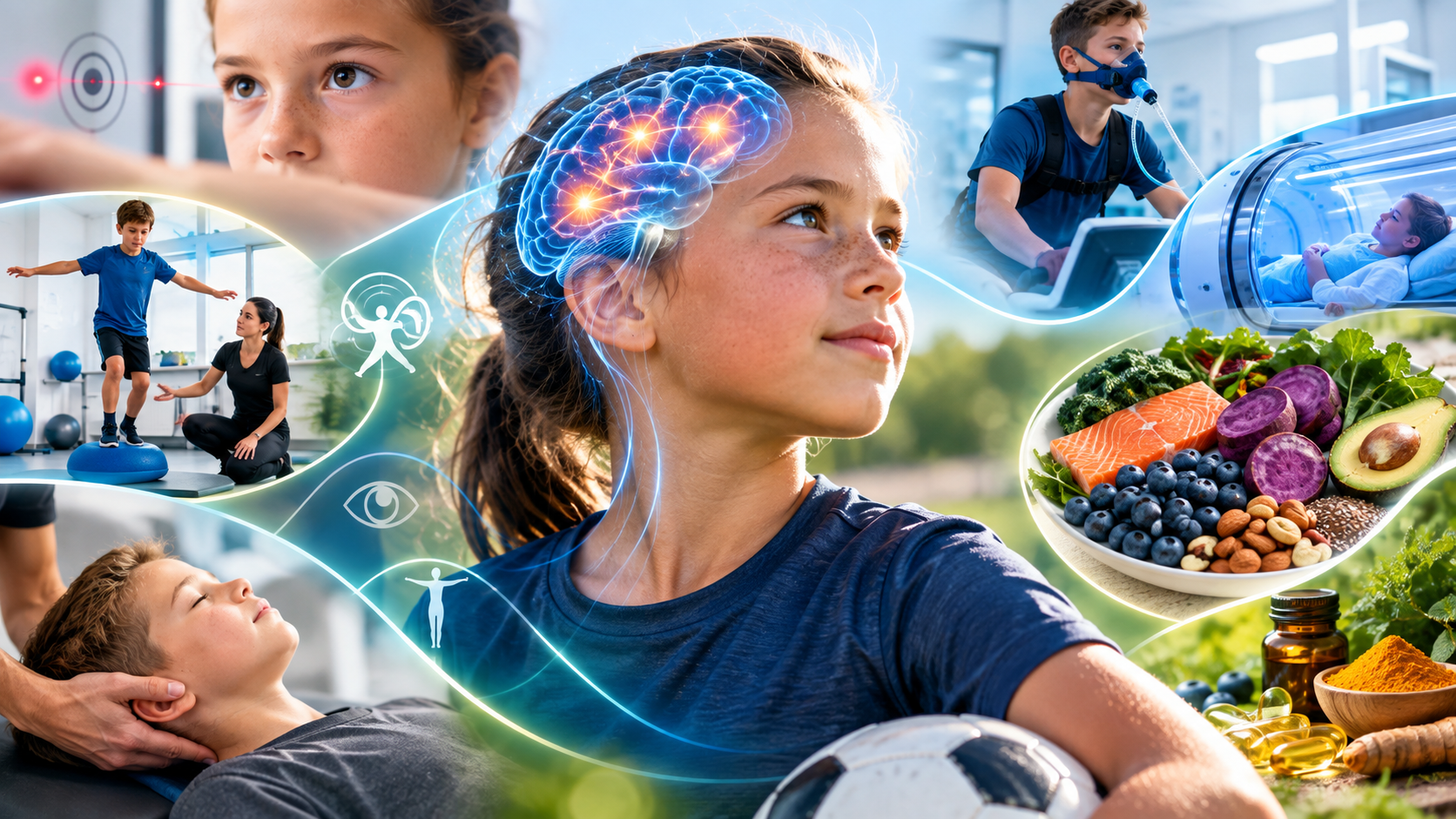
Children benefit from activities such as:
- Climbing
- Crawling
- Balance play
- Jumping
- Running
- Outdoor exploration
- Cross-body coordination
- Eye tracking games
These experiences help strengthen the neural networks that support both motor and cognitive development.
A Nervous System-Centered Approach
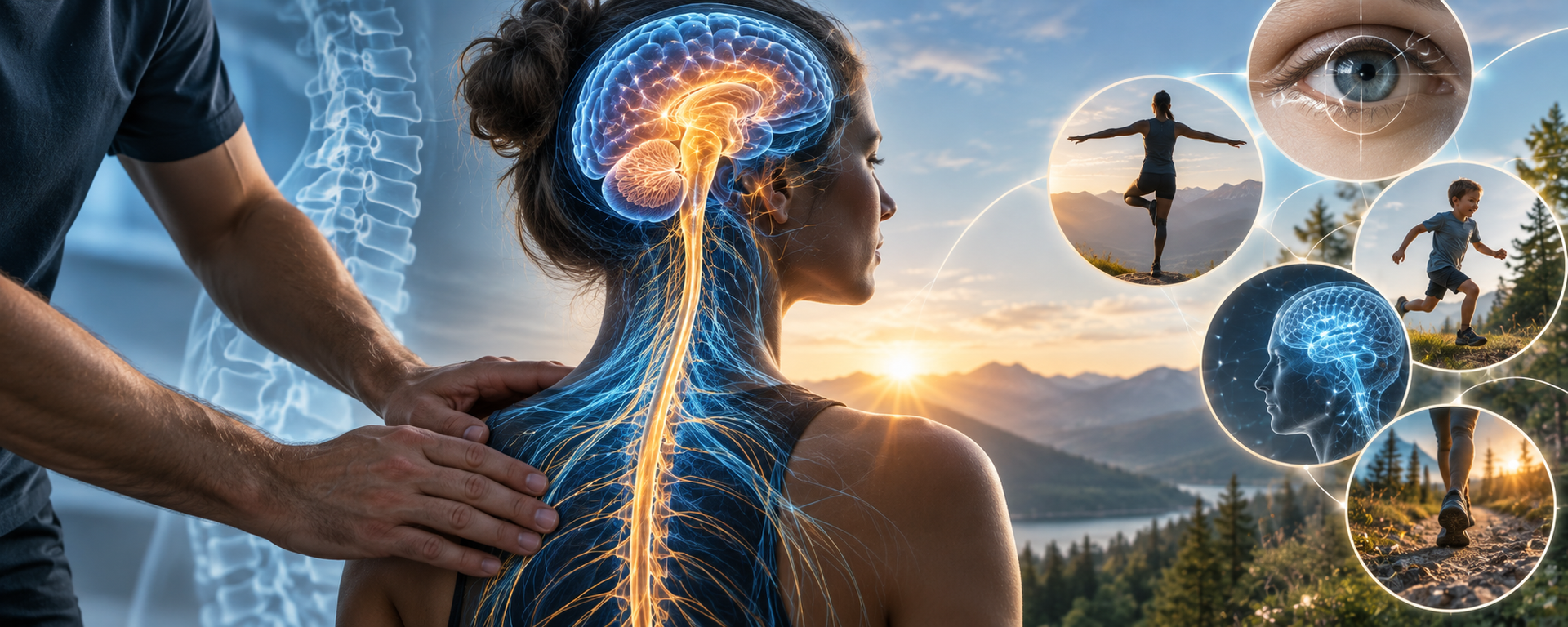
At High Vibe Living Chiropractic, we believe lasting healing begins by addressing the whole child—not just isolated symptoms.
Our comprehensive approach may include:
- Neurological assessment
- Nervous system regulation
- Pediatric chiropractic care
- Functional nutrition guidance
- Lifestyle counseling
- Movement-based neurorehabilitation
- Sleep optimization
- Stress reduction strategies
- Collaboration with your child's medical team when appropriate
Every child is unique, and there is no single food, supplement, or therapy that works for everyone. The goal is to identify and address the individual factors that may be affecting your child's health and development.
The Bottom Line
The gut and brain are deeply interconnected through the nervous system, immune system, hormones, and microbiome.
While gut health is not the sole determinant of neurodevelopmental outcomes, optimizing digestive health can be an important part of supporting a child's overall well-being. Research continues to explore how the gut microbiome, intestinal barrier, immune signaling, and nutrition influence brain development, behavior, and motor function.
By nourishing the gut with whole foods, encouraging healthy movement, prioritizing sleep, and supporting nervous system regulation, families can create an environment that promotes resilience and healthy development.
References
- Sharon G, et al. The Central Nervous System and the Gut Microbiome. Cell. 2016.
- Cryan JF, et al. The Microbiota-Gut-Brain Axis. Physiological Reviews. 2019.
- Needham BD, et al. The Gut Microbiota and Neurodevelopment. Nature Reviews Gastroenterology & Hepatology. 2022.
- Fasano A. Zonulin, Regulation of Tight Junctions, and Autoimmune Disease. Physiological Reviews. 2011.
- Hsiao EY. Immune Dysregulation in Autism Spectrum Disorder. Current Opinion in Neurobiology. 2013.
- Moayyedi P, et al. The Role of Diet in Functional Gastrointestinal Disorders and Autism Spectrum Disorder. Current Opinion in Gastroenterology. 2020.
- National Institute of Mental Health. Autism Spectrum Disorder Research Updates.
- American Academy of Pediatrics. Clinical reports on nutrition and autism spectrum disorder.
The Weekly Reset