The Preconception Nutrition Blueprint
The Nutrients That Build a Baby's Brain Before Pregnancy Even Begins
Healthy pregnancies don't begin with a positive pregnancy test—they begin months before conception.
From the moment sperm meets egg, your baby's cells divide at an astonishing pace. Within weeks, the neural tube forms. Shortly afterward, the brain, spinal cord, heart, and organs begin developing. Every one of these processes depends on nutrients that have been stored in the mother's and father's bodies long before conception. Research consistently shows that optimizing nutrition before pregnancy can improve fertility, reduce pregnancy complications, support fetal brain development, and create a healthier lifelong foundation for your child.
At Origin Health, we encourage families to think beyond simply "taking a prenatal." Instead, we focus on building nutrient reserves through whole foods that humans have relied on for generations.
Why Preconception Nutrition Matters
Your baby is built entirely from nutrients supplied by mom and dad.
Those nutrients determine:
- Brain development
- Nervous system formation
- Immune system programming
- Placental health
- Hormone production
- Cellular energy (mitochondrial function)
- DNA synthesis and repair
- Epigenetic programming (which genes are turned on or off)
Think of nutrition as the blueprint your baby's body uses to build itself.
The higher the quality of the blueprint, the stronger the foundation.
Food First: Nature's Multivitamin
Supplements can fill gaps, but they should never replace a nutrient-dense diet.
The most bioavailable vitamins and minerals are still found in real foods.
Instead of counting calories...
Count nutrients.
The Most Important Nutrients for Neurodevelopment
Nutrient Why It's Important Best Food Sources
--------------- ---------------------------------- --------------------------------
Choline Brain development, memory, neural tube formation Egg yolks, beef liver, salmon
DHA Brain growth, retina development Wild salmon, sardines, anchovies
Folate DNA synthesis, neural tube development Liver, spinach, asparagus
B12 Myelination, red blood cells Beef, liver, shellfish
Iron Oxygen delivery to developing brain Red meat, liver, oysters
Zinc Brain growth, fertility, immune function Oysters, beef, lamb
Iodine Thyroid hormones, IQ development Seafood, seaweed, dairy, eggs
Selenium Antioxidant defense, thyroid support Brazil nuts, seafood
Magnesium Nervous system regulation, metabolism Pumpkin seeds, leafy greens
Vitamin D Brain, immune and skeletal development Sunlight, fatty fish, egg yolks
Vitamin A Eye, brain and immune development Liver, egg yolks, butter
Vitamin K2 Bone formation and calcium regulation Grass-fed dairy, egg yolks
Copper Brain enzymes, connective tissue Liver, shellfish
Glycine Collagen formation, fetal tissue growth Bone broth, collagen-rich meats
The Forgotten Superfood: Organ Meats
For thousands of years, traditional cultures prized organ meats during pregnancy. Modern nutrition science is finally catching up.
Gram for gram, liver is one of the most nutrient-dense foods on Earth.
Beef Liver Provides
- Vitamin A (retinol)
- Choline
- B12
- Folate
- Copper
- Iron
- Zinc
- CoQ10
- High-quality protein
Just 1–2 ounces once or twice per week can provide substantial amounts of several essential micronutrients. Because liver is also very high in preformed vitamin A (retinol), intake during pregnancy should be discussed with a qualified healthcare professional to avoid excessive amounts.
Other excellent organ meats include:
- Heart (rich in CoQ10)
- Kidney
- Spleen (excellent iron source)
- Tongue
If organ meats aren't appealing, consider incorporating them through blended ground meat products from reputable producers.
Wild-Caught Fish: Brain Food from Nature
Nearly 60% of the brain is composed of fat.
One of the most important fats is DHA.
DHA is critical for:
- Synapse formation
- Learning
- Memory
- Vision
- Emotional regulation
- Cognitive development
Aim for 2–3 servings per week of low-mercury, wild-caught seafood.
Excellent Choices
- Wild Alaskan salmon
- Sardines
- Anchovies
- Herring
- Arctic char
- Trout
These fish provide:
- DHA
- EPA
- Selenium
- Vitamin D
- Iodine
- High-quality protein
Fish to Limit Due to Higher Mercury
- Shark
- Swordfish
- King mackerel
- Tilefish
- Bigeye tuna
Choosing lower-mercury seafood helps maximize nutritional benefits while minimizing exposure to contaminants.
Why Organic Foods Matter
Nutrition isn't just about what you eat. It's also about what you avoid. Some conventionally grown foods may contain higher levels of pesticide residues. While washing produce is beneficial and eating plenty of fruits and vegetables remains important regardless of how they're grown, choosing organic options when practical can reduce exposure to certain agricultural chemicals. Many families prioritize organic choices for foods that are more likely to carry higher pesticide residues.
Great organic choices include:
- Leafy greens
- Berries
- Apples
- Grapes
- Peppers
- Tomatoes
Organic animal products may also reduce exposure to certain medications used in livestock production, depending on farming practices.
Grass-Fed and Pasture-Raised Foods
Animals raised on their natural diets often produce meat and dairy with different nutrient profiles than conventionally raised animals.
Benefits may include:
- Higher omega-3 fats
- More conjugated linoleic acid (CLA)
- Higher vitamin E
- More vitamin K2
- Better omega-6 to omega-3 ratio
Excellent options include:
- Grass-fed beef
- Pasture-raised eggs
- Grass-fed butter
- Grass-fed yogurt
- Pasture-raised chicken
Don't Forget Game Meat
Wild game is one of the most nutrient-dense protein sources available.
Examples include:
- Venison
- Elk
- Bison
- Moose
- Wild turkey
Benefits:
- Lean, high-quality protein
- Excellent iron
- Zinc
- B vitamins
- Lower total fat than many commercially raised meats
As with any wild game, proper sourcing and safe processing are important.
Build Your Plate Around These Nutrient-Dense Food Groups:
High-Quality Proteins
- Grass-fed beef
- Wild fish
- Pasture-raised eggs
- Lamb
- Organ meats
- Wild game
Healthy Fats
- Avocados
- Extra virgin olive oil
- Coconut
- Grass-fed butter
- Ghee
- Nuts
- Seeds
Colorful Vegetables
Eat the rainbow.
Focus on:
- Broccoli
- Brussels sprouts
- Spinach
- Kale
- Beets
- Carrots
- Bell peppers
- Sweet potatoes
These foods provide antioxidants, folate, carotenoids, vitamin C, and fiber.
Fruit
Choose whole fruit over juice.
Excellent options include:
- Blueberries
- Strawberries
- Cherries
- Kiwi
- Citrus
- Pomegranate
These provide polyphenols and antioxidants that support both maternal and fetal health.
Fermented Foods
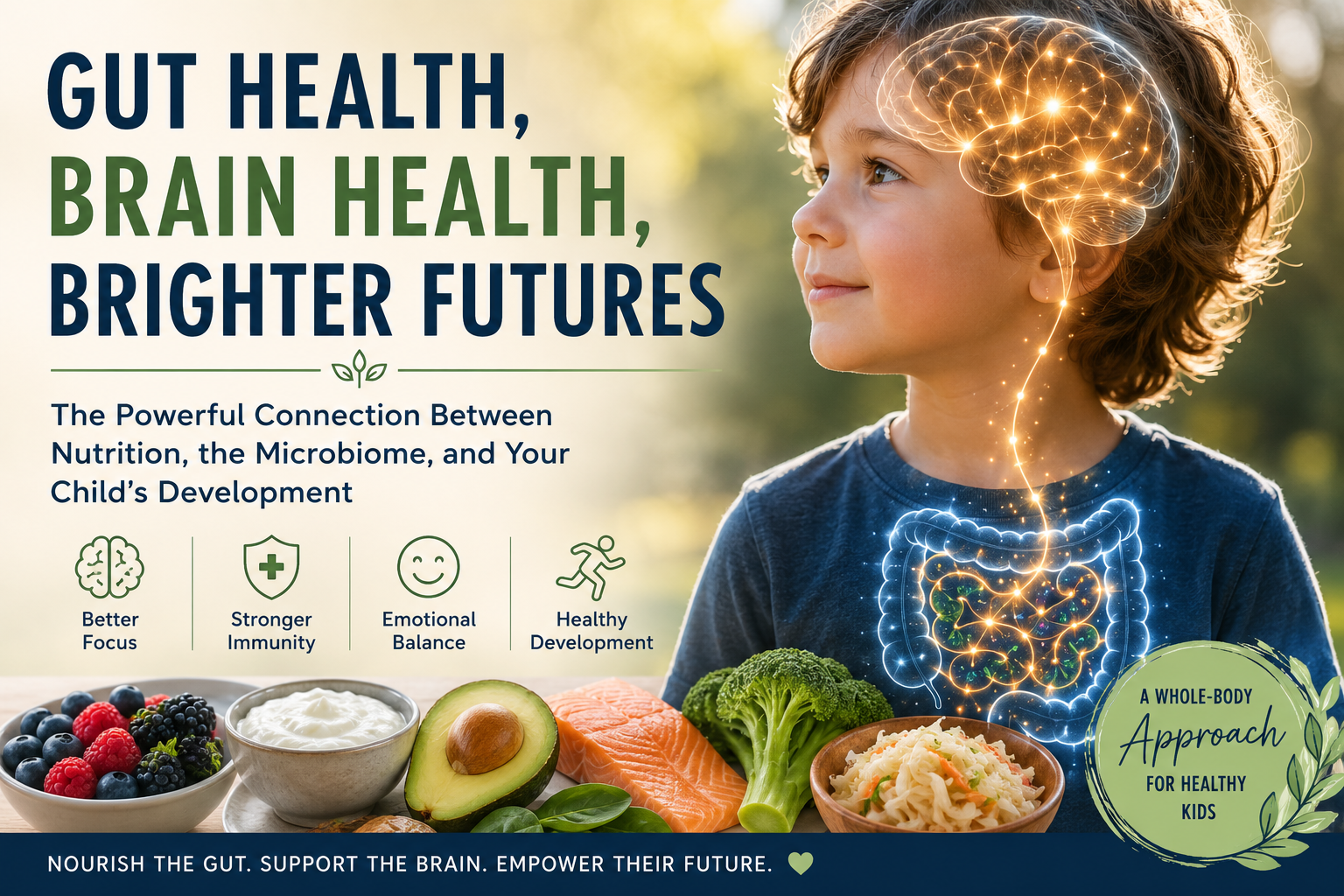
A healthy microbiome supports:
- Nutrient absorption
- Immune function
- Digestive health
Include foods like:
- Plain yogurt with live cultures
- Kefir
- Sauerkraut
- Kimchi (choose lower-sodium varieties if needed)
- Fermented vegetables
Bone Broth
Rich in:
- Glycine
- Collagen
- Proline
- Minerals
Bone broth may support connective tissue health and is an easy way to increase protein intake.
Minerals: The Spark Plugs of Metabolism
Vitamins often receive the spotlight, but minerals are equally essential.
Minerals help activate enzymes that power nearly every metabolic process.
Without adequate minerals:
- Mitochondria produce energy less efficiently.
- Hormones may not function optimally.
- Detoxification pathways can be impaired.
- Nervous system signaling may be disrupted.
- Muscle and nerve function can suffer.
Key minerals include:
- Magnesium
- Zinc
- Iron
- Copper
- Selenium
- Iodine
- Calcium
- Potassium
Rather than relying on fortified foods, prioritize a varied diet rich in whole, minimally processed foods to help meet these needs.
Minimize Ultra-Processed Foods
Highly processed foods are often:
- Lower in fiber
- Less nutrient-dense
- Higher in added sugars
- Higher in refined oils
- More calorie-dense
Building meals around whole foods helps improve overall nutrient intake and supports metabolic health before and during pregnancy.
Small Choices, Lifelong Impact
Every meal is an opportunity to provide the building blocks for the next generation.
You don't need a perfect diet. You need consistent, nutrient-dense choices that nourish your body and create the healthiest possible environment for conception and pregnancy.
Focus on foods that humans have thrived on for generations:
- Wild-caught seafood
- Grass-fed and pasture-raised meats
- Organ meats in moderation
- Colorful vegetables
- Whole fruits
- Healthy fats
- Fermented foods
- Bone broth
- Nuts and seeds
When paired with quality sleep, movement, stress management, and a healthy lifestyle, these foundational foods help support fertility, maternal health, and your baby's developing brain.
The Weekly Reset