Autism and the Nervous System: Understanding the Brain Beyond the Diagnosis
Understanding the Unique Autistic Brain: How Genetics, Brain Networks, Nervous System Regulation, and the Gut-Brain Connection Shape Development—and How We Can Support Every Child's Potential.
When parents hear the word autism, it can sometimes sound as though we are talking about one single condition with one underlying cause and one predictable pattern of symptoms. However, the reality is far more complex. Autism spectrum disorder is a highly heterogeneous neurodevelopmental condition. Two kids can share the same diagnosis while having dramatically different strengths, challenges, sensory profiles, communication abilities, motor development, medical histories, and nervous system responses. That's why I believe one of the most useful questions we can ask is not simply:
“Does this child have autism?”
But rather:
“How is this individual child’s brain and nervous system functioning?”
Modern neuroscience increasingly supports the idea that autism involves differences across distributed brain networks rather than dysfunction in one isolated brain region. Also, developmental, prenatal, metabolic, immune, and environmental influences may interact with genetic susceptibility in complex ways. Autism should therefore not be reduced to a single toxin, infection, brain region, or nervous system abnormality. Now let's dive in on what's really happening beneath the surface.
Autism Is a Network-Level Condition
Neither the brain nor the body operate as a collection of independent pieces. Emotional regulation, social interaction, movement, sensory processing, language, attention, and behavior emerge from communication between many interconnected regions. Several of these systems have repeatedly been studied in autism.
The Amygdala and Temporolimbic System
The amygdala helps the brain assign emotional importance to experiences. It communicates closely with the hippocampus, temporal lobes, insula, hypothalamus, and prefrontal cortex.
Together, these networks contribute to:
- emotional learning
- fear and threat detection
- social processing
- memory
- sensory salience
- interpretation of facial and emotional cues
Differences within these networks have been described in autism, but there is no single universal “autistic amygdala.”
In practical terms, altered processing within these circuits may contribute in some individuals to intense emotional responses, difficulty interpreting social information, anxiety, heightened reactions to uncertainty, or becoming overwhelmed by environments that another nervous system may tolerate easily. The important point is that these behaviors are often not simply a matter of willpower or compliance but instead they may reflect how the brain is processing information.
The “Right Brain” and Social-Sensory Processing
You will sometimes hear autism described as a “right-brain disorder.” That description is far too simplistic.
However, many functions commonly associated with right-hemisphere networks are highly relevant when evaluating autistic children. These include aspects of social-emotional communication, nonverbal cues, facial recognition, spatial awareness, prosody, sensory integration, body awareness, and global processing. Rather than assuming that the entire right hemisphere is “weak,” it is more accurate to evaluate the specific networks involved. For example, a child may have excellent abilities in one domain while struggling significantly with another. This network-based approach is one reason individualized neurological and developmental assessment matters.
The Cerebellum: Far More Than Balance
The cerebellum was historically viewed primarily as a movement center but we now know that its role extends far beyond coordination. The cerebellum communicates extensively with cortical and limbic regions involved in cognition, sensory processing, language, prediction, emotional regulation, and learning. Differences in cerebellar development and connectivity are among the recurring neurological findings being investigated in autism. This helps explain why movement and cognition cannot always be separated.
Timing.
Balance.
Eye movements.
Postural control.
Motor planning.
Sensory prediction.
Attention.
Social behavior.
These systems constantly interact.
For some children, improving motor and sensory foundations may make it easier for the brain to engage with higher-level learning and communication. This idea aligns with the "you need to crawl before you walk" mentality, since the brain most likely will not have enough energy or capacity to power things like talking or socializing if it does not have adequate resources to perform basic movements or properly integrate sensory information.
The Vestibular System: The Brain's Internal GPS
The vestibular system begins in the inner ear, but its influence extends throughout the brain.
It helps regulate:
- balance
- posture
- gaze stabilization
- spatial awareness
- muscle tone
- navigation
- sensory integration
- autonomic responses to movement
Vestibular information interacts with the cerebellum, brainstem, eye movement pathways, cortex, and autonomic nervous system.
Some autistic children display unusual responses to movement. One child may constantly seek spinning, jumping, or crashing activities, while another may become fearful or dysregulated with very small amounts of motion. Those differences can provide useful clues about sensory processing—but they do not mean that vestibular dysfunction causes autism. Instead, vestibular assessment can be one piece of understanding how that child's nervous system organizes information.
Autism and Nervous System Regulation
One of the most important concepts for parents to understand is regulation.
The autonomic nervous system constantly evaluates the internal and external environment and adjusts heart rate, breathing, digestion, blood pressure, arousal, and energy use accordingly. Research examining autonomic function in autism has found differences in some individuals, including altered patterns of parasympathetic activity, heart-rate regulation, and arousal. Importantly, autistic individuals are heterogeneous: studies have reported both increased and decreased arousal depending on the person and context and that variability matters.
A child who appears hyperactive may actually be attempting to regulate an overwhelmed nervous system.
A child who shuts down may be responding to sensory or emotional overload.
A child who repetitively moves, rocks, hums, or seeks pressure may be using movement and sensation to regulate their internal state.
Behavior often makes more sense when we ask:
“What is the nervous system trying to accomplish?”
rather than simply:
“How do we stop the behavior?”
The Vagus Nerve and Polyvagal Theory
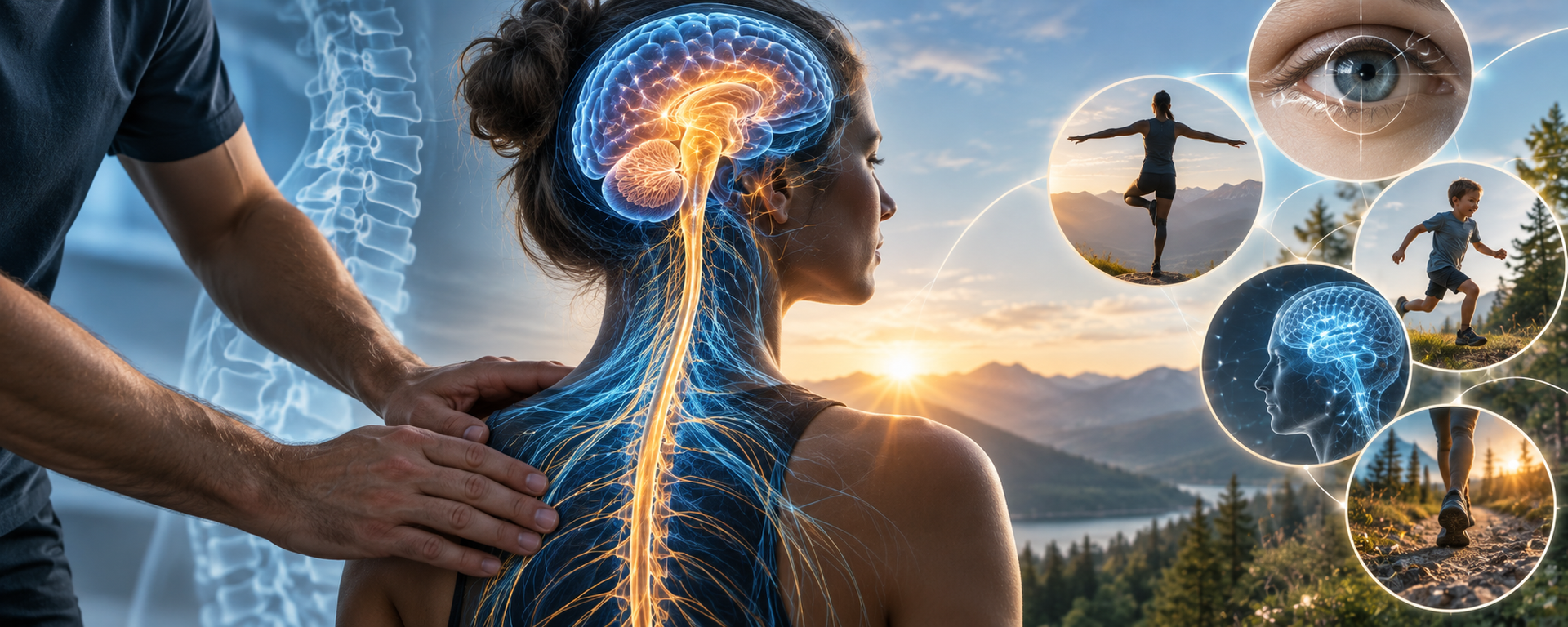
The vagus nerve is one of the primary communication pathways between the brain and the body.
It influences cardiovascular function, digestion, respiration, inflammatory signaling, and parasympathetic regulation.
Stephen Porges' Polyvagal Theory proposes that the nervous system continuously evaluates safety and threat and shifts between different physiological states. In this framework, regulated states support social engagement and connection, while perceived threat can shift the body toward mobilization or withdrawal. Polyvagal Theory has become influential in trauma and neurodevelopmental care, although aspects of its proposed anatomy and mechanisms remain debated. What is better established is the broader concept that autonomic regulation, vagal activity, arousal, and social behavior are interconnected. For a child who spends much of the day physiologically overwhelmed, simply adding more cognitive demand may not always be the best starting point. Sometimes the brain first needs help reaching a state in which learning is possible.
That is why co-regulation, predictable routines, breathing, rhythmic movement, appropriate sensory input, sleep, physical activity, and supportive relationships can be so powerful.
Neuroinflammation and Microglia
Another rapidly growing area of autism research involves microglia cells.
Microglia are immune cells that live inside the central nervous system.
They are not simply “inflammatory cells.” They perform essential roles throughout development, including:
- monitoring the neural environment
- responding to injury and infection
- supporting tissue repair
- interacting with neurons
- helping shape neural circuits
- participating in synaptic remodeling
During childhood, the brain initially produces enormous numbers of synaptic connections and as development progresses, neural circuits are refined. Frequently used connections are strengthened while other connections are weakened or removed—a process often called
synaptic pruning. Microglia are vital players in this pruning process, but when they are preoccupied by infections, toxins, and have dysfunctional mitochondria; there ability to perform these essential tasks may be hindered leading to increased neuroinflammation.
Researchers are investigating whether altered microglial signaling, inflammatory pathways, synaptic remodeling, and pruning may contribute to aspects of autism neurobiology. When inflammatory signals persist, microglia can shift toward phenotypes that release increased levels of cytokines, reactive oxygen species, and other inflammatory mediators. In appropriate circumstances this response protects the brain.
But prolonged or dysregulated neuroimmune signaling could theoretically interfere with synaptic development, neural plasticity, and circuit refinement. That does not mean inflammation alone causes autism. Instead, neuroimmune signaling appears to be one potential contributor within a much larger biological picture.
Genetics Load the System—Environment Can Influence It
Autism has a strong genetic component. Hundreds of genes and genetic variants have been associated with autism and neurodevelopmental pathways. But genes rarely operate independently of the biological environment. Prenatal development, maternal health, prematurity, certain infections, metabolic factors, birth complications, medications and exposures can all potentially influence neurodevelopment depending on timing, dose, genetics, and individual vulnerability. This is where we need to be particularly careful.
Parents often hear claims that autism was caused by:
- mold
- heavy metals
- toxins
- infections
- traumatic birth
- pesticides
- nutritional deficiencies
Some environmental exposures are legitimate neurological health concerns, and certain prenatal or developmental exposures have been associated with altered neurodevelopmental risk. However, we cannot just assume that mold, metals, infection, or birth trauma caused an individual child's autism simply because one of those exposures occurred. The more useful clinical question is:
Could there be modifiable biological stressors making this particular child's health or regulation more difficult?
That is a very different question than searching for a single cause. When clinically indicated, physicians may evaluate nutritional deficiencies, gastrointestinal problems, sleep disorders, seizures, metabolic abnormalities, toxic exposures, immune conditions, or other health concerns that could affect a child's function. Treating those conditions can improve health even when they may not be the cause of autism itself.
The Gut-Brain Connection
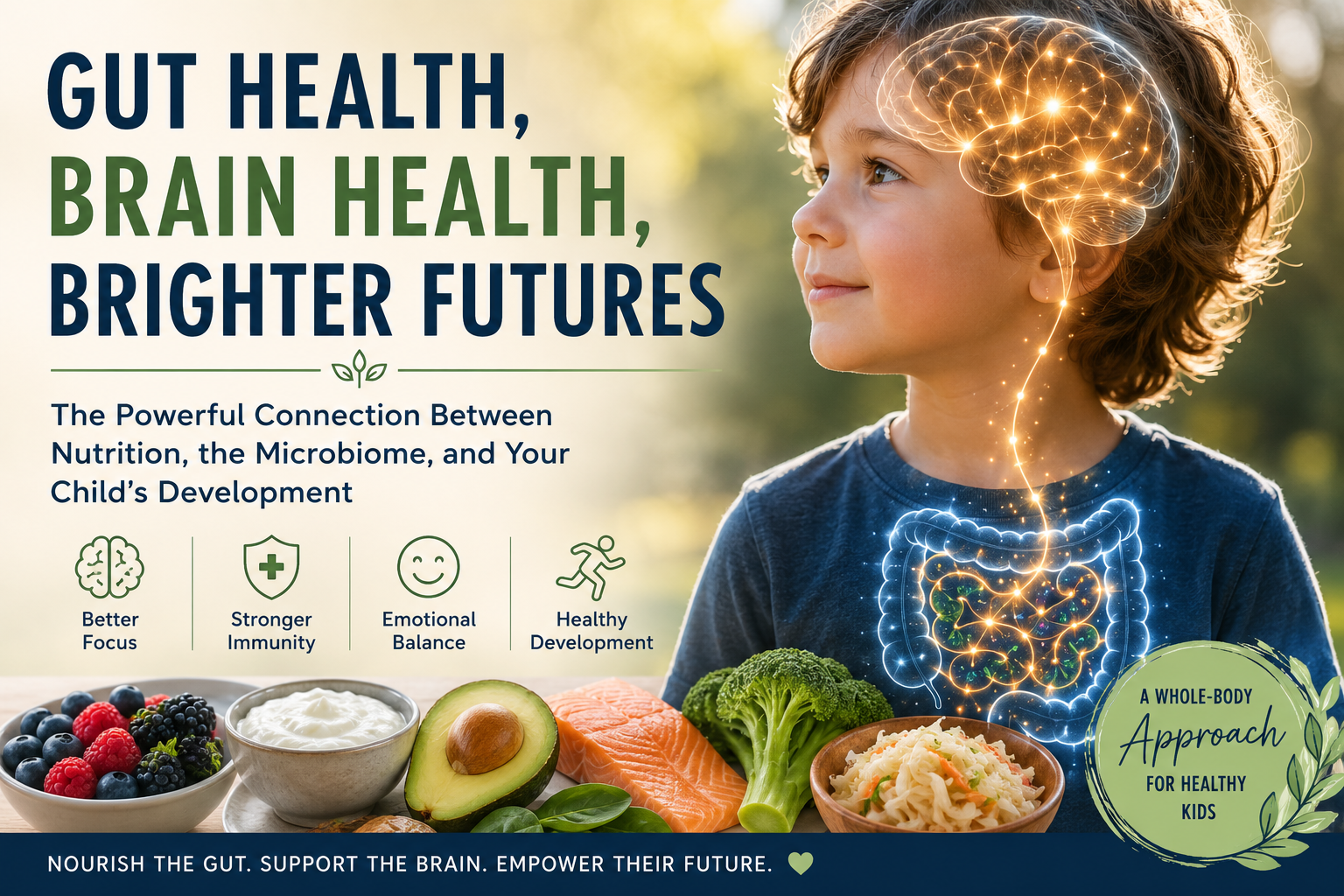
One of the clearest examples of how interconnected the nervous system is with the rest of the body is the gut-brain axis.The intestines contain trillions of microorganisms collectively known as the gut microbiome. These microbes produce metabolites that can interact with the immune system, intestinal barrier, vagus nerve, and nervous system. Research consistently demonstrates that gastrointestinal symptoms are common among autistic children, and differences in gut microbial composition have also been reported. The relationship, however, is complicated.
Diet influences the microbiome.
Medications influence the microbiome.
Constipation influences the microbiome.
Food selectivity influences the microbiome.
Stress influences gastrointestinal function.
And gastrointestinal discomfort itself can dramatically influence behavior.
A child experiencing chronic constipation, reflux, abdominal pain, bloating, or food intolerance may be less regulated, sleep poorly, become more irritable, or have difficulty concentrating. There are also biological mechanisms through which intestinal health could influence the nervous system. Alterations in microbial metabolites and intestinal barrier function may influence systemic immune signaling. Those inflammatory signals can communicate with the brain through circulating molecules, immune pathways, and neural routes associated with the gut-brain axis. Researchers are actively investigating whether these mechanisms influence neuroinflammation and behavior in subsets of autistic individuals.
But again, association does not prove that dysbiosis causes autism. The gut should be viewed as one important part of the larger system.
Why I Often Start With Regulation and Foundations
Parents understandably want to know:“What should we do first?” There is rarely one simple answer that applies to every child, But I like to think about development as a hierarchy. Before expecting a child to consistently perform complex tasks, we should ask whether the foundational systems supporting those tasks are functioning well. For example:
Is the child sleeping?
Are they eating enough nutrient-dense foods?
Are gastrointestinal problems being addressed?
Do they feel safe in their environment?
Can they regulate their arousal?
Are they moving every day?
Can they tolerate sensory experiences?
Can they maintain posture and balance?
Can their eyes efficiently track the environment?
Can they participate without constantly entering overwhelm?
Sometimes improving these foundations makes every other therapy more productive.
FOOD Is FUEL
Nutrition deserves special attention because the brain is metabolically expensive consuming nearly 1/4 of the body's total energy.
Children need adequate:
- protein
- essential fatty acids
- iron
- zinc
- magnesium
- B vitamins
- vitamin D
- choline
- iodine
- antioxidants
- fiber
- phytonutrients
Children with severe food selectivity may be at greater risk for nutritional gaps, and gastrointestinal problems can complicate eating even further.
The goal should not be to place every autistic child on an extreme restrictive diet. Instead, the first goal is often surprisingly simple:
Increase nutritional adequacy. Build a broader diet when possible. Support hydration. Address constipation. Identify genuine deficiencies. Reduce excessive reliance on ultra-processed foods where feasible. And work with appropriately trained professionals when food restriction, growth, gastrointestinal disease, allergies, or feeding disorders are present.
Then Build the Brain Through Experience
Once a child is able to engage, development requires experience. The brain changes through repeated, meaningful input.
Depending on the child's needs, a comprehensive care team may include:
Speech therapy for communication, language, articulation, and feeding.
Occupational therapy for sensory processing, fine-motor function, daily living skills, and participation.
Physical therapy or motor rehabilitation for strength, balance, gait, coordination, and postural control.
Behavioral and developmental interventions to build communication, independence, flexibility, and adaptive skills.
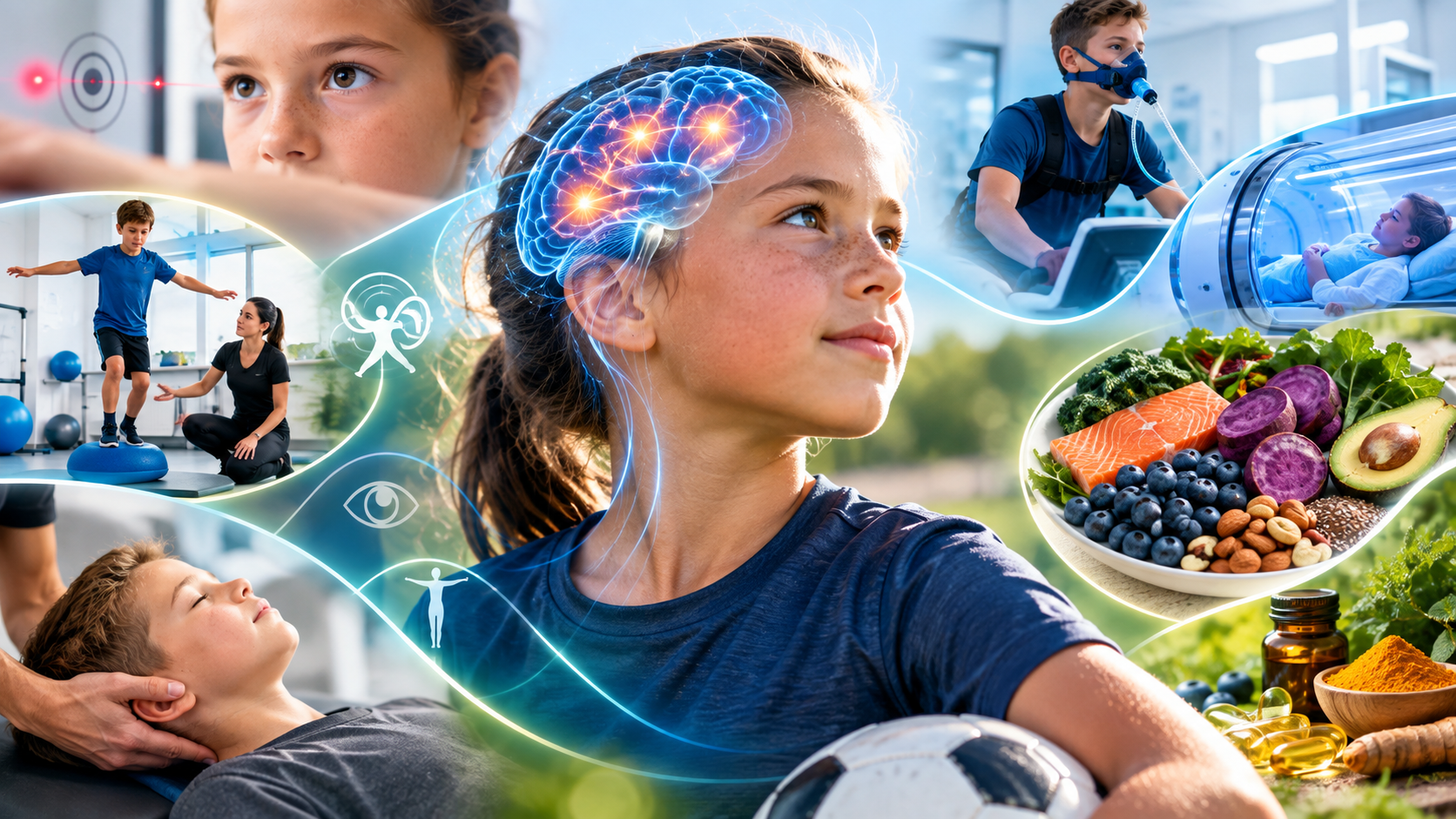
Vision or vestibular rehabilitation when clinically appropriate.
Primitive reflex and sensorimotor exercises may sometimes be incorporated into broader motor rehabilitation programs.
The question should always be:
What functional limitation are we trying to improve?
Regulation Before Expectation
One concept I wish every parent heard earlier is this: A dysregulated child often cannot demonstrate everything they know. Imagine trying to learn algebra while a fire alarm is sounding. The information may be available, the teacher may be excellent and the student may be capable. But the nervous system has another priority-safety. For some children, sensory overload can effectively become that fire alarm. So before continually increasing expectations, it can help to ask whether we can improve the conditions under which the brain is being asked to perform.
Reduce unnecessary sensory stress.
Create predictability.
Increase appropriate movement.
Support sleep.
Address pain.
Address gastrointestinal discomfort.
Use co-regulation.
Build communication.
Then gradually challenge the brain.
The Goal Is Not to Make a Child “Less Autistic”
This distinction is important. People with autism can have remarkable strengths alongside significant challenges.
The goal of intervention should not be to erase someone's identity or force every child into a narrow definition of “normal.” The goal is to reduce suffering, improve health, strengthen communication, develop independence, increase participation, and give the child more tools for navigating their world. That may mean helping one child communicate for the first time.
Helping another tolerate school.
Helping another sleep through the night.
Helping another eat enough foods to maintain nutritional health.
Helping another regulate intense emotional responses.
And helping another become more independent.
Those are meaningful outcomes.
There Is Reason for Hope
Early childhood is characterized by enormous neuroplasticity. But neuroplasticity does not disappear after childhood, as the nervous system continually adapts to experience throughout life. That means development should never be viewed as completely fixed. We cannot promise that one therapy, supplement, diet, exercise, or nervous system technique will change autism. But, we CAN improve the environment in which the brain develops.
We can support sleep.
We can improve nutrition.
We can address medical problems.
We can reduce unnecessary physiological stress.
We can build sensory and motor capacity.
We can strengthen communication.
We can support families.
And most importantly, we can stop treating every kid with autism as though they have the exact same brain.Autism is called a spectrum for a reason. Behind the diagnosis is an individual nervous system with its own genetics, developmental history, strengths, vulnerabilities, sensory profile, health needs, and capacity for growth. The future of neurodevelopmental care will likely become increasingly personalized.
Not simply:
“How do we treat autism?”
But:
“What does this particular brain need to function at its best so the child can thrive?”
Yours in Health and Healing,
Dr. Austin
The Weekly Reset