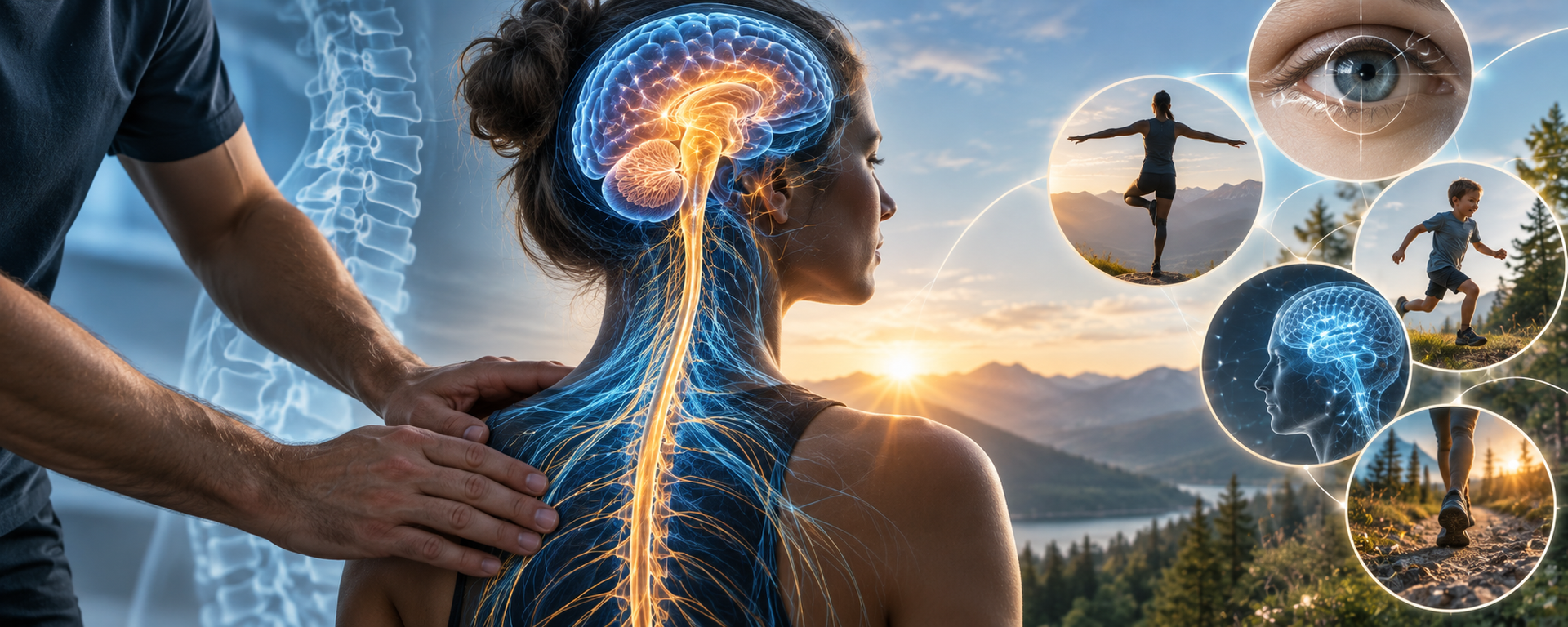
Beyond Rest: A Brain-Based Approach to Concussion Recovery in Kids

Dr. Austin Tchikatilov • October 5, 2026

Why pediatric concussion recovery should look beyond symptoms—and toward restoring how the brain, eyes, spine, balance system, body, and metabolism work together.


                  When a child suffers a concussion, the injury may be labeled “mild,” but the effects on the nervous system don't always feel mild. A child can look completely normal while struggling with headaches, dizziness, fatigue, brain fog, light sensitivity, irritability, anxiety, poor concentration, motion sensitivity, sleep changes, or difficulty getting through a normal school day.

                   This is because a concussion can temporarily disrupt much more than our perception of pain. It can affect the way the brain produces and uses energy, processes sensory information, controls eye movements, maintains balance, regulates the autonomic nervous system, coordinates movement, and responds to physical and cognitive stress. For years, concussion management largely centered around rest. We now understand that prolonged rest is usually not the goal and may actually hinder the healing process. After a short period of relative rest, current concussion guidelines support gradually reintroducing school, everyday activity, and appropriately prescribed physical exercise. When symptoms or neurological deficits persist, rehabilitation can become much more individualized. From a functional neurology perspective, this changes the question from simply, “Does the child still have a headache?” to “Are the neurological systems affected by the injury actually functioning normally again?”

Every Concussion Can Look Different

            A concussion is a mild traumatic brain injury that initiates a complex physiological response inside the nervous system. Following the initial mechanical forces, the brain can experience temporary alterations in cellular energy metabolism, ion balance, cerebral physiology, autonomic regulation, inflammatory signaling, and communication between neural networks. This helps explain why two children who experience seemingly similar injuries can have completely different recoveries. One child may primarily experience headaches and neck pain while the other may become dizzy whenever they turn their head. Another child may struggle to read because their eyes no longer move smoothly across a page. Some children develop exercise intolerance, sleep disturbances, anxiety, emotional changes, poor working memory, slower processing speed, or difficulty tolerating busy environments. Effective rehabilitation should therefore begin by identifying the child's individual concussion profile rather than assuming that every concussion requires the same treatment.

Establishing a Baseline Before an Injury Happens

              For young athletes and patients, baseline testing can be incredibly valuable because every brain is different. Rather than comparing a recovering athlete only with population averages, preseason testing gives us an individualized reference point for how that child's nervous system performed before an injury. A comprehensive baseline should look at multiple neurological domains. Symptom inventories can be combined with measurements of eye movements, including fixation, pursuits, saccades, convergence, and accommodation. Vestibular testing can examine the vestibulo-ocular reflex and visual-motion sensitivity, while tools such as the Vestibular/Ocular Motor Screening assessment, or VOMS, can help identify symptom provocation involving these systems.

               Balance should also be examined through tasks such as Romberg, tandem stance, tandem gait, single-leg balance, or instrumented balance testing when available. Reaction time, processing speed, attention, working memory, and delayed recall provide another layer of information about cognitive performance. Eventually, these tasks can be combined with movement to examine dual-task performance, which is particularly important for athletes.

              The cervical spine, autonomic nervous system, and exercise response deserve attention as well. Cervical range of motion, pain, muscular control, and proprioception can be assessed alongside resting heart rate, orthostatic heart-rate and blood-pressure responses, and symptom responses to positional changes. Graded aerobic testing can then help determine how the nervous system responds as cardiovascular demand increases. No single test should determine whether a child is ready to play again. The goal is to build a multidimensional picture of how the brain and body are functioning.

Functional Neurology: Rehabilitating What the Examination Finds

                Functional neurological rehabilitation asks a simple but important question: Which neurological systems aren't functioning as efficiently as they should, and what inputs can we use to progressively retrain them? For example, if a child demonstrates impaired saccadic eye movements, rehabilitation might incorporate carefully progressed eye-movement exercises. If gaze becomes unstable when the head moves, vestibulo-ocular reflex exercises may be appropriate. Poor dynamic balance might lead to progressive combinations of visual, vestibular, and proprioceptive challenges. As recovery progresses, these systems should no longer be trained exclusively in isolation.

                Think about what happens during a soccer game. A player must run while maintaining balance, stabilize their vision as their head moves, locate teammates, track a moving ball, ignore irrelevant visual information, make rapid decisions, and react—all within seconds. This is why later stages of rehabilitation may combine balance, eye movements, cognition, reaction time, and sport-specific movement. The goal isn't simply to become good at a rehabilitation exercise. The goal is to prepare the nervous system for the complexity of real life.

The Eyes and Vestibular System After Concussion

                 The visual and vestibular systems are particularly important after concussion because they are constantly working together.

The inner ear tells the brain how the head is moving and the visual system provides information about the surrounding environment. Proprioceptive receptors throughout the body, especially around the cervical spine, provide additional information about body position. The brain must continuously integrate these signals to determine where the body is in space and stabilize vision while we move.

                 When this system becomes disrupted, children may experience dizziness, blurred vision, headaches while reading, motion sensitivity, poor balance, nausea, difficulty focusing, or discomfort in visually complex environments such as school hallways, grocery stores, and sporting events.

Depending on examination findings, vestibulo-ocular rehabilitation might incorporate pursuits, saccades, convergence, gaze stabilization, vestibulo-ocular reflex exercises, progressive visual-motion exposure, balance training, and eventually cognitive-motor challenges. The important word is targeted. More stimulation isn't necessarily better. The right neurological stimulus, delivered at the appropriate intensity and progressed according to the child's response, is what matters.

Where Chiropractic Care Fits in

                The brain isn't the only structure affected by the forces involved in a concussion. The cervical spine experiences many of the same acceleration and deceleration forces. Cervical dysfunction can contribute to neck pain, headaches, dizziness, altered proprioception, and difficulty determining where the head is positioned relative to the body. This becomes particularly important because cervical proprioceptive information must integrate with visual and vestibular information for normal balance and spatial orientation.

                 For appropriately screened pediatric patients, chiropractic and manual therapy can therefore be incorporated into a broader cervicovestibular rehabilitation strategy when examination identifies cervical dysfunction. Appropriate manual care can be one part of restoring cervical mobility, reducing musculoskeletal contributors to symptoms, and improving the quality of sensory information entering the nervous system while visual, vestibular, balance, and exercise rehabilitation progress.

Movement Becomes Part of the Medicine

                   One of the biggest shifts in concussion care has been recognizing that prolonged inactivity can actually work against recovery. Following an initial period of relative rest, light physical activity can usually begin as tolerated. From there, controlled aerobic exercise can gradually challenge the cardiovascular and autonomic systems without substantially exacerbating symptoms. This can also become an objective measurement.

                  If a child consistently develops symptoms at a particular workload or heart rate, clinicians can establish an exercise threshold. Training can initially remain below that threshold and gradually progress as tolerance improves. For athletes, rehabilitation can eventually progress from walking and stationary cycling into jogging, running, multidirectional movement, agility, sport-specific drills, non-contact practice, and ultimately medically cleared contact activity.

Where EWOT May Fit

               Exercise with oxygen therapy, or EWOT, combines cardiovascular exercise with supplemental oxygen. It is an interesting adjunct because appropriately prescribed aerobic exercise already plays an important role in modern concussion rehabilitation, while cerebral blood flow, oxygen utilization, mitochondrial metabolism, and autonomic regulation are all relevant areas of brain-injury research. However, these concepts shouldn't be confused with proof that EWOT itself is an established concussion treatment. Evidence supporting graded aerobic exercise after concussion is considerably stronger than evidence specifically supporting EWOT in children. In an integrative rehabilitation environment, EWOT may therefore be considered an adjunctive strategy for carefully selected patients rather than a replacement for established exercise rehabilitation.

Supporting Cellular Energy With Photobiomodulation

                   Another emerging area of interest is photobiomodulation, sometimes called red or near-infrared laser therapy. One reason researchers are interested in photobiomodulation after brain injury involves the mitochondria—the structures responsible for producing much of the cell's usable energy. Because concussion creates a significant metabolic challenge for neurons, therapies that may influence mitochondrial signaling, oxidative stress, blood flow, and cellular recovery are understandably being investigated. Early human concussion research has produced interesting but mixed results, meaning photobiomodulation should still be considered an emerging supportive therapy rather than a proven stand-alone treatment. In practice, I view supportive laser therapy through that lens: potentially useful as one component of a much larger rehabilitation program, while the primary work of restoring eye movements, vestibular function, balance, cognition, cervical function, exercise tolerance, sleep, and nutrition continues.


Hyperbaric Oxygen Therapy and Persistent Symptoms

              Hyperbaric oxygen therapy, or HBOT, exposes a patient to oxygen within a pressurized chamber, increasing the amount of dissolved oxygen carried in the blood. Researchers have investigated HBOT for persistent post-concussion symptoms because of the effects on tissue oxygenation, neuroplasticity, vascular function, and cellular metabolism. Some studies have reported encouraging results, including pediatric research. Due to its wide range of potential benefits and limited risks, intensive HBOT therapy is a viable option if tolerated well by the child.


Feeding the Recovering Brain

          Rehabilitation shouldn't stop when the child leaves the therapy room. The brain is an extraordinarily metabolically active organ, and concussion temporarily creates an environment in which cellular energy demands and energy availability can become mismatched. Nutrition therefore provides an opportunity to support the basic building blocks required for recovery. Instead of searching for one magical “brain food,” I prefer building the child's diet around nutrient-dense whole foods. Wild salmon and sardines provide EPA and DHA. Eggs provide protein, choline, and phospholipids. Extra-virgin olive oil, avocados, nuts, and seeds provide healthy fats. Leafy greens and cruciferous vegetables provide folate, minerals, and phytochemicals. Then bring in color- Blueberries, blackberries, cherries, and purple sweet potatoes are rich in colorful plant compounds such as anthocyanins. Herbs and spices such as turmeric can add additional polyphenols to the diet. The goal is to create a nutrient-dense dietary environment that provides the recovering nervous system with the raw materials it needs.

Nutraceuticals: Omega-3s, Vitamin D, Magnesium, Curcumin—and Creatine

           Nutraceuticals are another rapidly developing area of concussion research, but this is an area where we have to separate an exciting biological rationale from established clinical evidence.

Omega-3 fatty acids, particularly DHA and EPA, are important structural components of neuronal cell membranes and have been extensively investigated in brain-health and traumatic-brain-injury research. They are particularly interesting because neuronal membranes and inflammatory signaling are both relevant following brain injury, although optimal therapeutic dosing for pediatric concussion has not yet been established.

Vitamin D also plays roles far beyond bone health. Vitamin D receptors are found throughout the nervous system, and vitamin D participates in immune regulation and numerous cellular processes. Rather than blindly giving every child high doses, testing vitamin D status and correcting an identified deficiency is a more individualized approach.

Magnesium participates in hundreds of biochemical reactions and is intimately involved in neuronal signaling and cellular energy metabolism. It remains another nutrient of interest in brain-injury research, although supplementation should account for the child's diet, medical history, age, and individual needs.

Curcumin, one of the best-known compounds in turmeric, has generated considerable interest because of its effects on oxidative and inflammatory signaling in experimental research. Much of the traumatic-brain-injury evidence remains preclinical, however, so curcumin should be viewed as a potentially supportive nutritional compound rather than a proven concussion therapy.

                  One of the most interesting additions to this conversation is creatine. Most people associate creatine with muscle and athletic performance, but the brain also relies on the creatine-phosphocreatine system as a rapid energy buffer. Creatine helps cells regenerate ATP, the energy currency used to power cellular processes. That becomes particularly intriguing after concussion because one of the hallmark physiological problems following traumatic brain injury is a temporary disturbance in cerebral energy metabolism. Creatine is therefore being studied for its potential neuroprotective and bioenergetic roles, not simply for building muscle. Experimental research is encouraging, and limited human work in pediatric traumatic brain injury has also generated interest in outcomes such as headaches, fatigue, cognition, sleep, and neurological recovery.   Creatine may ultimately become an increasingly useful component of concussion nutrition, particularly for athletes, but pediatric supplementation should still be individualized with consideration for age, body size, diet, kidney health, medications, and the overall clinical picture. This is why I prefer a food-first, deficiency-aware, individualized approach rather than handing every concussed child the same supplement stack.

Return to Play Should Mean More Than “I Feel Fine”

                 Perhaps the most important concept for parents and young athletes is that symptom resolution and neurological recovery are related—but they aren't necessarily identical. A child saying, “My headache is gone,” is certainly encouraging. But before sending an athlete back into an environment where another collision could occur, we should be asking more questions. Can their eyes rapidly move between targets without symptoms or significant errors? Can they stabilize their vision while their head moves? Has convergence normalized? Can they maintain balance when visual information is reduced? Can they run at high intensity without dizziness or headache? Has their reaction time returned toward baseline? Can they process information while simultaneously moving? Can they tolerate an entire school day? Can they complete sport-specific drills at game speed while maintaining coordination and decision-making?

               This is where objective measurements become so valuable. Ideally, return-to-play decisions combine symptom status with neurological examination findings, vestibular and ocular performance, balance, cognition, exercise tolerance, and progressive sport-specific challenges. When preseason baseline data exist, post-injury performance can also be compared with the child's own previous measurements rather than relying exclusively on population averages. Return to sport should then progress gradually through increasingly demanding stages. If concussion-related symptoms return during progression, that is information—not something the athlete should simply push through.

Building the Brain Back Up

             Ultimately, concussion rehabilitation shouldn't be about endlessly protecting the brain from stimulation. After the appropriate acute period, the goal becomes progressively rebuilding the brain's capacity to handle the demands of everyday life. Restore sleep and circadian rhythm. Support hydration and nutrition. Gradually reintroduce school. Address cervical dysfunction when present. Retrain the visual and vestibular systems when testing identifies deficits. Restore balance and coordination. Progress aerobic capacity. Introduce cognitive challenges. Combine cognition with movement. Add reaction time and decision-making. Finally, layer in sport-specific demands before unrestricted competition.

                   Adjunctive therapies such as photobiomodulation, EWOT, HBOT, and targeted nutraceuticals may have a place within this larger picture, but they should support—not replace—the fundamentals of active neurological rehabilitation. The developing brain has an extraordinary capacity for adaptation and neuroplasticity. Our job isn't to rush that process, nor is it to simply wait and hope symptoms disappear. Our job is to identify what isn't working, provide the appropriate environment and neurological inputs for recovery, measure progress objectively, and progressively prepare that child for the demands they want to return to. Because ultimately, the most important question isn't simply:

“Do you feel better?”

It's:

“Is your brain and body ready for what you're asking them to do next?”


This article is for educational purposes only and is not a substitute for individualized medical care. Children with suspected concussion should be evaluated by an appropriately qualified healthcare professional. Return-to-sport decisions should follow an appropriate graduated protocol and medical clearance.


Yours in Health and Healing,

Dr. Austin


The Weekly Reset
By Dr. Austin Tchikatilov • September 28, 2026
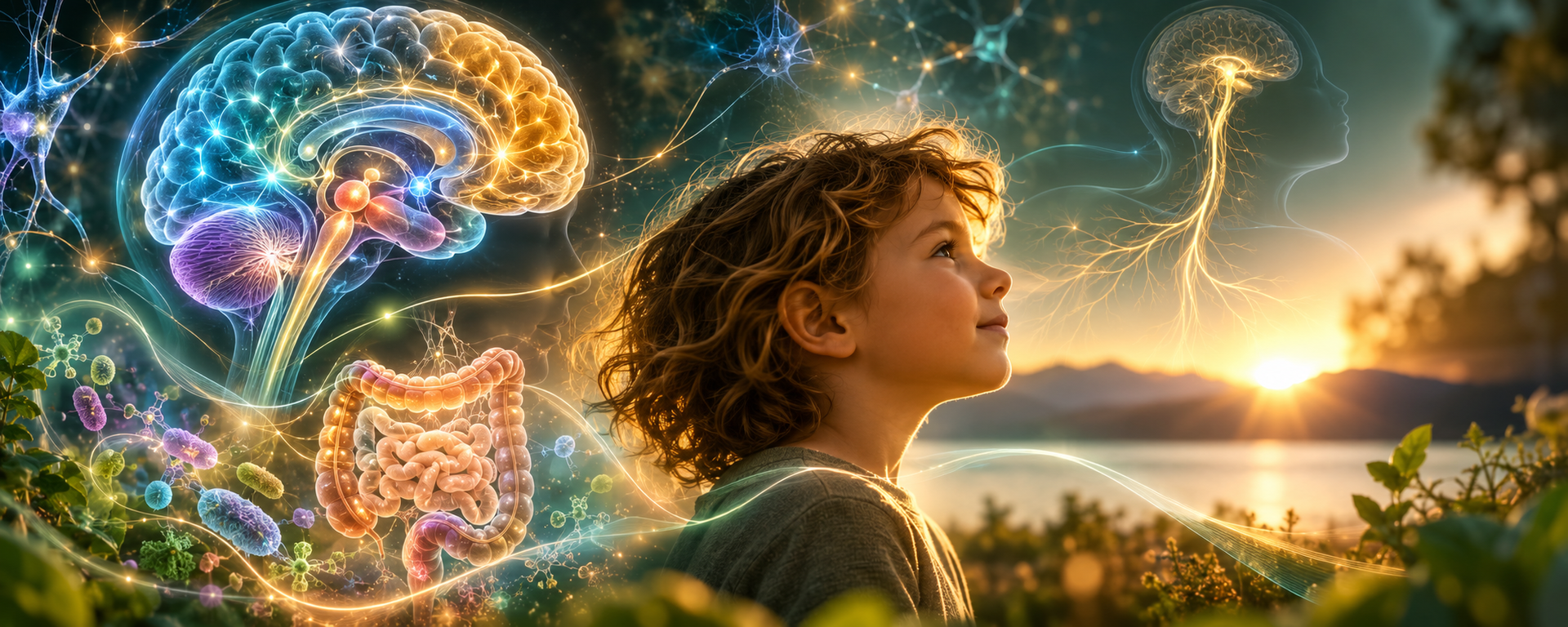
Understanding the Unique Autistic Brain: How Genetics, Brain Networks, Nervous System Regulation, and the Gut-Brain Connection Shape Development—and How We Can Support Every Child's Potential.
By Austin Tchikatilov • September 20, 2026
A Brain-Based Approach to Health and Rehabilitation
By Austin Tchikatilov • September 13, 2026
Your Nervous System Is Always Adapting...
By Austin Tchikatilov • July 28, 2026
The Nutrients That Build a Baby's Brain Before Pregnancy Even Begins. Healthy pregnancies don't begin with a positive pregnancy test—they begin months before conception.
By Austin Tchikatilov • July 20, 2026
Every Child Is Born With Reflexes Designed for Survival Long before a baby learns to crawl, stand, or speak, their nervous system is already hard at work. Primitive reflexes are automatic, involuntary movement patterns that emerge during fetal development and infancy. These reflexes are controlled primarily by the brainstem —the oldest and most primitive part of the brain responsible for survival. They serve essential purposes such as: Protecting the infant after birth Assisting with feeding and breastfeeding Helping babies move against gravity Preparing the body for voluntary movement Stimulating normal brain development through sensory experiences These reflexes are not meant to last forever. As the cerebral cortex, cerebellum, basal ganglia, and frontal lobes mature, higher brain centers gradually inhibit these primitive patterns. This process is known as primitive reflex integration. When reflexes remain active beyond the expected age, it suggests that the nervous system has not fully transitioned from reflexive movement to voluntary, coordinated movement. Rather than indicating laziness or poor behavior, retained primitive reflexes often reflect immature neurological development. Brain Development Is Built Layer by Layer One of the most important concepts in developmental neuroscience is that the brain develops from the bottom up and back-to-front. Development typically follows this sequence: Brainstem Cerebellum Midbrain Basal ganglia Limbic system Cortex Frontal cortex (executive function) Primitive reflexes originate in the brainstem. As these higher centers mature, they suppress primitive reflex activity while allowing more sophisticated movement, balance, emotional regulation, and learning. If primitive reflexes remain active, they continuously send immature motor signals that interfere with the development of higher brain functions. It is similar to trying to build the second floor of a house before the foundation is finished. Why Are Primitive Reflexes So Important? Primitive reflexes are much more than simple movements. They help organize nearly every major neurological system. Proper integration supports: Balance Coordination Vision Eye tracking Posture Muscle tone Emotional regulation Speech development Sensory processing Attention Fine motor skills Gross motor skills Learning readiness When these reflexes persist, children may compensate in countless ways without anyone recognizing the underlying neurological cause. Research Has Found Higher Rates of Retained Reflexes in Neurodevelopmental Disorders A growing body of research has reported associations between retained primitive reflexes and conditions such as: Autism spectrum disorder ADHD Developmental coordination disorder Dyslexia Learning disabilities Speech delay Sensory processing challenges Cerebral palsy Developmental delays Importantly, retained primitive reflexes do not cause autism or ADHD. Instead, they may serve as clinical indicators of delayed or atypical neurological maturation and may contribute to motor, sensory, and behavioral challenges experienced by some children. Common Primitive Reflexes Primitive Reflex Normally Integrated Common Signs if Retained ---------------------------- ---------------------------- ------------------------------------------------------------------------------------------------------------- Moro Reflex 3–6 months Anxiety, poor emotional regulation, hypersensitivity to sound/light, poor balance ATNR 4–6 months Poor handwriting, crossing midline difficulty, poor crawling, visual tracking problems STNR 9–11 months W-sitting, poor posture, difficulty sitting still, delayed crawling, clumsy movements TLR 2–4 months Poor balance, toe walking, weak core, motion sickness, poor spatial awareness Spinal Galant Reflex 3–9 months Fidgeting, bedwetting, poor attention, scoliosis tendencies, clothing sensitivity Palmar Grasp Reflex 4–6 months Poor pencil grip, weak fine motor skills, delayed handwriting Plantar Grasp Reflex 9–12 months Poor balance, toe walking, awkward gait Rooting Reflex 3–4 months Speech delays, oral sensitivities, picky eating Babkin Reflex 3–4 months Oral motor delays, speech difficulties, feeding challenges Babinski Reflex 12–24 months Delayed walking, abnormal gait if persistent Why Might Primitive Reflexes Be Retained? No single explanation accounts for every child, but several factors are thought to contribute: Prenatal Factors Maternal stress Poor maternal nutrition Inflammation Environmental toxins Certain infections Limited fetal movement Birth Factors Prolonged labor Emergency C-section Vacuum or forceps delivery Prematurity Birth trauma Low oxygen during delivery Early Childhood Factors Limited tummy time Insufficient crawling Recurrent ear infections Chronic inflammation Nutritional deficiencies Excessive screen time replacing movement Sedentary lifestyles Chronic stress Sleep disturbances Neurobiological Factors Researchers also propose that retained reflexes may reflect: Delayed maturation of cortical inhibitory pathways Cerebellar dysfunction affecting motor learning Altered sensory integration Vestibular system dysfunction Reduced neuroplasticity Persistent neuroinflammation Impaired brain network connectivity These mechanisms remain active areas of research, and no single model explains all cases. How Retained Reflexes May Affect Autism and ADHD Many children with autism and ADHD demonstrate difficulties with: Balance Coordination Motor planning Eye movements Emotional regulation Executive functioning Sensory processing Retained primitive reflexes may amplify these challenges by continually activating immature movement patterns and increasing the brain's workload during everyday activities. For example: Retained Moro Reflex May contribute to: Easily startled responses Emotional overwhelm Poor stress tolerance Sensory overload Hypervigilance Retained ATNR May contribute to: Reading difficulties Crossing midline problems Poor handwriting Difficulty using both hands together Retained STNR May contribute to: Constant movement Poor sitting posture Difficulty focusing at a desk Delayed crawling history Retained Spinal Galant May contribute to: Constant fidgeting Clothing sensitivity Bedwetting Difficulty sitting still in school Again, these reflexes are not diagnostic , but they may represent modifiable contributors to functional challenges. Can Primitive Reflexes Be Integrated Later? The encouraging answer is yes. The nervous system remains plastic throughout life. Many clinicians use targeted movement-based interventions to encourage more mature neurological organization. While research is still evolving, clinical studies suggest that structured sensorimotor programs may improve: Balance Coordination Attention Motor planning Reading readiness Emotional regulation Postural control These interventions should ideally be individualized following a comprehensive developmental assessment. Home Exercises That May Support Reflex Integration The following activities are commonly incorporated into developmental movement programs. They are generally low risk and can encourage the sensory and motor experiences that support healthy brain development, but evidence for specific reflex-integration exercises is still emerging. For Moro Reflex Starfish exercise Controlled diaphragmatic breathing Child's Pose Slow rocking Gentle vestibular activities For ATNR Cross crawls Bear crawls Crawling obstacle courses Windmill reaches Midline crossing games For STNR Cat-Cow exercise Quadruped rocking Crawling through tunnels Crab walks Wheelbarrow walks For TLR Superman holds Log rolls Balance beam walking Rolling games Prone extension activities For Spinal Galant Snow angels Trunk rotation exercises Bird-Dog Gentle foam rolling along the paraspinal muscles Core strengthening Universal Developmental Activities Children benefit from abundant opportunities for natural movement, including: Crawling Climbing Swinging Jumping Hanging Balance beam activities Playing barefoot on uneven surfaces Dance Martial arts Swimming Obstacle courses These experiences stimulate the vestibular, proprioceptive, tactile, and visual systems that help organize the developing brain. A Whole-Child Approach Primitive reflex integration should never be viewed in isolation. Optimal neurodevelopment also depends on: High-quality sleep Adequate protein intake Omega-3 fatty acids Iron, zinc, magnesium, vitamin D, and B vitamins when appropriate Healthy gut microbiome Daily outdoor play Reduced chronic stress Supportive relationships Physical activity Sensory-rich experiences Age-appropriate challenges that promote neuroplasticity When needed, children may also benefit from coordinated care involving pediatricians, physical therapists, occupational therapists, speech-language pathologists, developmental specialists, chiropractors with pediatric and neurological training, or other qualified clinicians. The Bottom Line Primitive reflexes are among the earliest building blocks of human development. They are essential for survival in infancy, but they are intended to fade as the brain matures and voluntary movement takes over. When these reflexes persist, they may signal delayed neurological maturation and can be associated with challenges in movement, learning, sensory processing, and emotional regulation. While retained reflexes are not the cause of autism, ADHD, or other developmental conditions , they may contribute to functional difficulties and provide valuable clues during a comprehensive developmental assessment. Supporting reflex integration through purposeful movement, active play, and individualized rehabilitation may help some children improve motor control, coordination, and overall function. Combined with good nutrition, restorative sleep, a healthy gut, and a nurturing environment, these strategies can support the remarkable capacity of the developing brain to adapt and grow. 
By Austin Tchikatilov • July 6, 2026
The Gut-Brain Connection in Kids: How Nutrition, the Microbiome, and the Nervous System Shape Brain Development
By Austin Tchikatilov • June 28, 2026
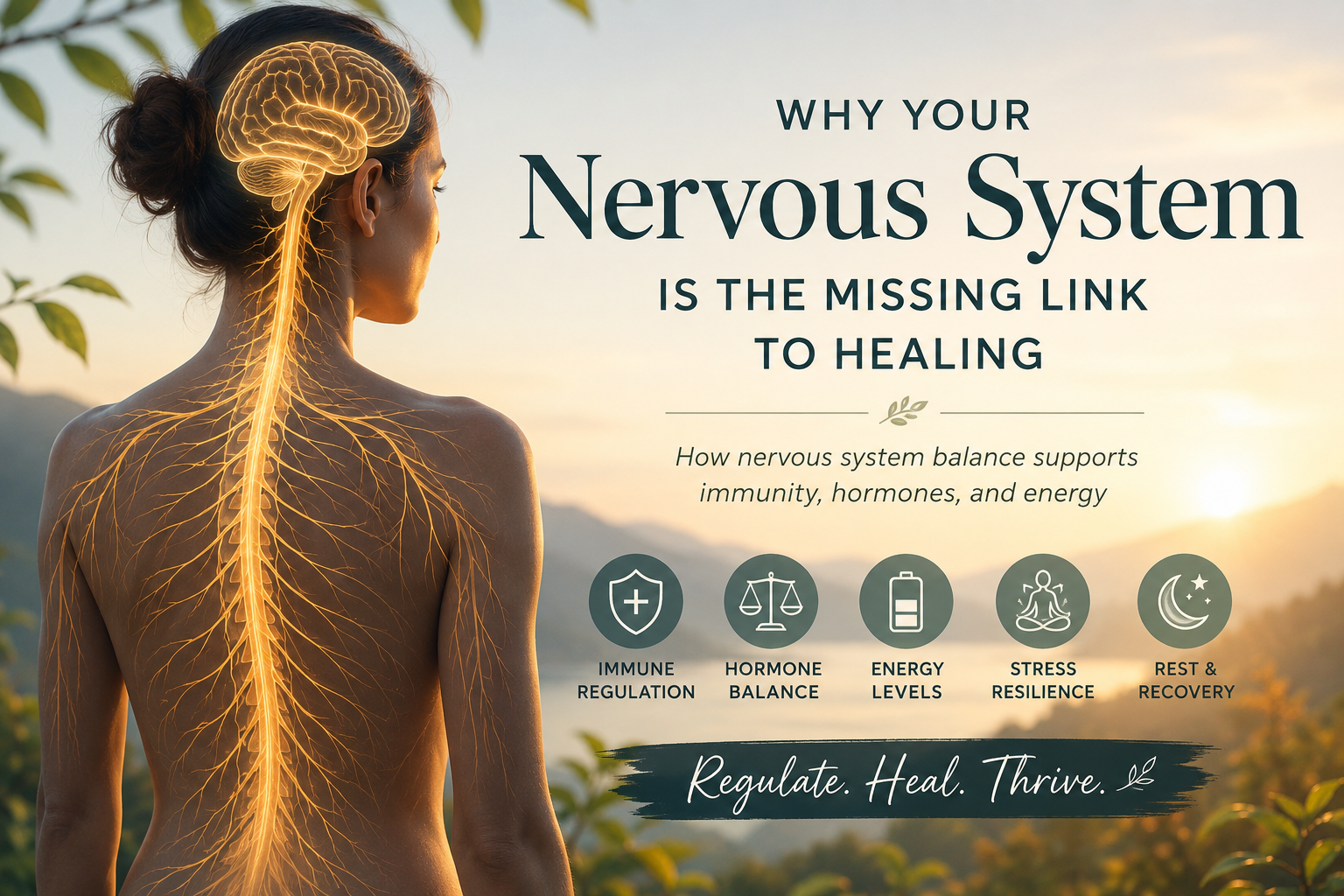
When most people think about their health, they focus on symptoms. Fatigue, hormone imbalances, digestive issues, brain fog, anxiety, or recurring illness often seem like separate problems. But what if many of these challenges were connected by one common denominator? Your nervous system. The nervous system is the master control system of the body. It coordinates communication between your brain, immune system, hormones, organs, muscles, and every cell in your body. When it is balanced and adaptable, your body can heal, recover, and thrive. When it becomes overwhelmed by chronic stress, injuries, inflammation, poor sleep, or emotional strain, the body shifts into survival mode. The Stress Response and Its Impact on Health Your body was designed to handle short bursts of stress. However, modern life often keeps us in a constant state of fight-or-flight. When your nervous system is stuck in survival mode: Stress hormones like cortisol remain elevated. Immune function becomes dysregulated. Blood sugar becomes less stable. Sleep quality declines. Digestion slows down. Energy production becomes less efficient. Hormone balance suffers. Over time, this can contribute to symptoms such as fatigue, anxiety, burnout, brain fog, digestive issues, hormonal imbalances, and difficulty recovering from illness or injury. How Nervous System Regulation Supports Healing A regulated nervous system shifts the body into a state known as "rest, digest, and repair." In this state: The immune system can respond appropriately rather than overreacting. Hormones can communicate more effectively. Digestion and nutrient absorption improve. Inflammation decreases. Sleep becomes deeper and more restorative. Cellular energy production increases. In other words, healing becomes possible. 5 Simple Ways to Reset Your Nervous System The good news is that you can begin supporting your nervous system today. 1. Prioritize Breathwork Slow, controlled breathing signals safety to the brain. Try this: Inhale through your nose for 4 seconds. Exhale slowly for 6-8 seconds. Repeat for 5 minutes. 2. Get Morning Sunlight Exposure to natural sunlight within the first hour of waking helps regulate your circadian rhythm, cortisol patterns, and energy levels throughout the day. Aim for 5-15 minutes outdoors each morning. 3. Stabilize Blood Sugar Blood sugar fluctuations create stress on the nervous system. Focus on: Protein-rich breakfasts. Healthy fats. Fiber-rich vegetables. Limiting excess sugar and processed foods. 4. Move Your Body Daily Movement is one of the fastest ways to regulate the nervous system. Walking, strength training, yoga, balance exercises, and short bursts of high-intensity exercise can all improve nervous system resilience. 5. Improve Sleep Hygiene Sleep is when the brain and nervous system repair and reset. Start with: Consistent sleep and wake times. Reducing blue light exposure before bed. Keeping your bedroom cool and dark. Avoiding caffeine late in the day. The Bottom Line Your body is designed to heal, but healing happens most effectively when the nervous system feels safe and supported. If you've been struggling with fatigue, hormone imbalances, chronic stress, immune challenges, or simply feeling stuck in survival mode, it may be time to look beyond symptoms and focus on the system that controls them all. When you regulate the nervous system, you create the foundation for better energy, balanced hormones, a stronger immune system, and a healthier, more resilient life. At High Vibe Living Chiropractic, our mission is simple: Regulate. Heal. Thrive. Because true healing starts with the nervous system.
By Austin Tchikatilov • March 21, 2023
Many times, people are led to believe that they must find some extravagant meaning or greater purpose in their life. Sometimes, it is beneficial to take a step back. Take a breath, and realize that a much simpler, less daunting approach is not only easier on the mind but can lead to that desired destination. It’s great to have big visions, dreams, and aspirations; but what are the smaller steps along your journey that will help shape you into your ideal self and connect you to your higher purpose. Focus on the little things. There is beauty in simplicity. It’s not going to look or feel the same for everyone and that’s perfectly fine. It can be as easy as setting an intention first thing in the morning to have as an anchor throughout your day. This intention could be a certain feeling you want to evoke within yourself, or a task you want to direct your energy towards that day. This task can relate to doing things for yourself and others. For example, maybe you want to give someone an unsolicited compliment or show your appreciation for a loved one, or be more present with your own thoughts, feelings, and emotions. By shifting your daily focus to this certain micro-goal, you may experience more joy and passion which can guide you towards your ultimate purpose in life. Take small steps and celebrate the little wins and notice how your bodymind reacts and how you feel more aligned with your spirit. By taking a step back and focusing on simplicity (while not completely forgetting the big picture), you will feel more fulfilled and empowered to share your unique gifts and experiences with others!
By Austin Tchikatilov • February 20, 2023
What if I told you that there was a school that we all go to every single day that has the potential to enhance our intelligence, level up our consciousness, and bring us the utmost peace, joy, and love? Sounds like a pretty enticing school right? Even for the people who don’t consider themselves “school people,” naturally we are all attending life school whether we choose to embrace it or not. Every single day we have a unique opportunity to learn more about ourselves, other people, and the world around us. The essential question is, are you bored and dozing off during class or are you curious and engaged with this wonderful teacher who is here to help us grow and evolve? Take a moment to reflect on your life recently. Have you just been going through the motions? Do you find yourself wrapped up in responsibilities and to-do’s? Are you waking up in the morning with a zest for life and excitement for what the adventure of the day may bring? I encourage you to do some digging and see what you find! Maybe you’d like to make some changes to your normal routines or work on building a new skill to help you achieve your goals. The beautiful thing about life school is that there are no grades or pressure to perform (unless you place that burden on yourself..). Life school is dynamic and ever-changing while providing us with many opportunities to learn important lessons through relationships, finances, work, and various challenges that will arise at times. If you are an open-minded student who is not chasing a final result but instead is focused on cherishing each step in the journey then you can begin to embrace the gift of life school and live a life inspired by gratitude and high vibes!
By Austin Tchikatilov • January 23, 2023
The need to belong is one of the essential needs for all human beings. You know that feeling when you’re with a group of friends or family members and everyone is vibing and you feel safe, secure, and happy? This is a simple example of the visceral feelings you get when you are with your people and are genuinely enjoying the company, camaraderie, and deep, fulfilling conversations that often ensue. Obviously, your family and bloodline form the foundation of your tribe. When we are born, much of what we learn about the world and how things work is garnered by what our parents teach us, but also what we observe about human interactions through our innocent child-like lenses. Inevitably, we will take on some of our parents’ and peers’ own views, beliefs, and biases as we grow up which will, in part, influence the kind of people we choose to surround ourselves with. Now, once we start to do some deep identity digging (for most of us this occurs during adolescence) we can begin to understand who we truly are at our core by pondering the mysterious questions of life like, who am I? Why am I here? What do I want to manifest? After doing some soul searching and becoming clear with who YOU are, beyond any labels you may have been given by others or projections and pressures put on you by your parents; then you can mindfully choose who you want to be surrounded by, thus expanding your tribe. You see, once you feel strong and solid in your authentic self, it becomes easier to attract people that are vibrating at the same frequency. For instance, if you are operating from ego frequency the majority of the time which is characterized by things like fear, judgement, and scarcity; at a subconscious level you will attract people that have that same mindset since they are vibrating at a similar level. Remember, everything is energy and energy is everything. The law of attraction teaches us that “like” attracts “like.” Therefore, if we want to attract positive, loving, generous, and joyful people into our lives and expand our tribe, we must first expand these attributes within ourselves. Our outer reality is a reflection of our inner state of being. So, in essence, if you want to build your tribe up with honest, peaceful, strong, loving people; you need to start working on building these qualities up within yourself through various practices such as mirror work, affirmations journaling, meditation, yoga, prayer, etc. Then you will become more open and receptive to meeting people that can quite literally help change your life in amazing ways by offering new perspectives, ideas, and insights; and most importantly bask in the love that serves as the fuel for your growing high vibe tribe!
More Posts